Sustainable Urban Living
Features of sustainable urban living and transport strategies to reduce traffic congestion
What is Sustainable Urban Living?
Meeting the needs of current urban populations WITHOUT compromising future generations' ability to meet their needs.
Economic Growth
Social Equity
Environmental Protection
Focus areas: Water conservation, energy efficiency, waste recycling, green space, sustainable transport
Sustainable Features Explorer
Click a feature to explore strategies and examples
Rainwater harvesting
Collect roof runoff → store in tanks → toilets, gardens
Greywater recycling
Filtered sink/shower water → toilets, irrigation
Water-efficient appliances
Low-flow taps, dual-flush toilets (50%+ reduction)
Energy-efficient buildings
High insulation, double/triple glazing, draft-proofing
Renewable energy
Solar panels, biomass boilers, ground-source heat pumps
Smart meters
Monitor usage, encourage conservation
Comprehensive recycling
Separate collection: paper, plastic, glass, metal, food
Composting
Food/garden waste → compost for parks
Waste-to-energy
Incinerate non-recyclable → electricity
Urban parks
Recreation, biodiversity, air quality, mental health
Green roofs/walls
Insulation, rainwater absorption, urban cooling
Community gardens
Local food, social cohesion, education
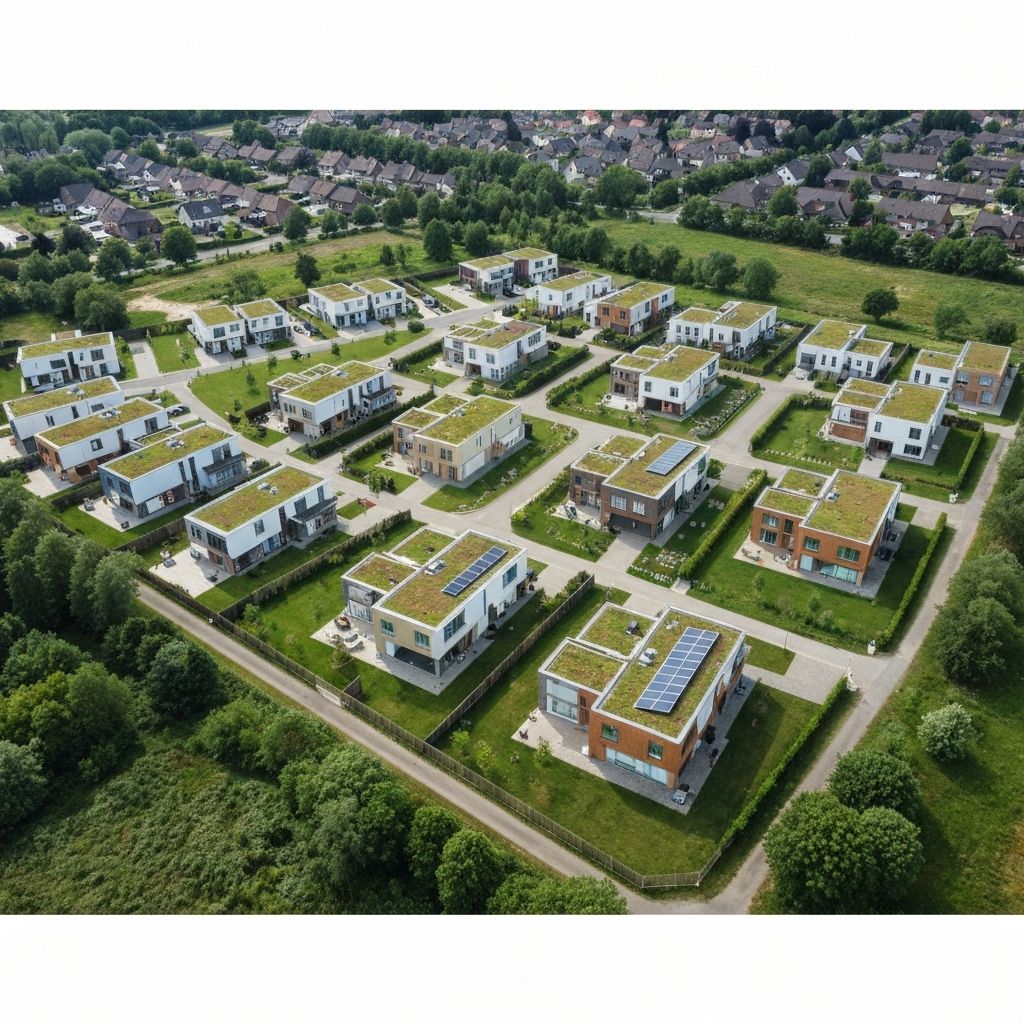
Beddington Zero Energy Development - UK's largest eco-village (82 homes, 2002) demonstrating integrated sustainable features.
50%
less water
81%
less heating
60%+
recycling rate
50%
less car use
BedZED vs Typical UK Home
Compare resource use between BedZED sustainable homes and average UK homes
Key features: Solar panels, super-insulation, rainwater harvesting, greywater recycling, green roofs, car-free design
Urban Transport Strategies
Strategies to reduce traffic congestion, improve air quality, and create sustainable cities
Air Pollution
Vehicle emissions (NO₂, particulates)
Time Wasted
Economic cost of delays
Stress
Health and wellbeing impact
Climate Change
CO₂ emissions
Transport Strategies Comparison
| Factor | How it Works | Example | Impact |
|---|---|---|---|
| Integrated Public Transport | Connected buses, trams, metro with affordable fares | London Oyster Card | 15% usage increase |
| Cycling Infrastructure | Segregated lanes, bike hire, secure parking | Copenhagen (400 km lanes) | 62% cycle to work |
| Congestion Charging | Fee to drive in city center, funds transport | London £15/day | 30% traffic reduction |
| Park-and-Ride | Car parks on outskirts + bus/tram to center | Oxford (5 sites) | 10,000 cars off roads |
| Car Sharing | Shared vehicle access, reduces ownership | Zipcar (3,000+ UK sites) | Fewer parked cars |
Transport Strategy Effectiveness
Which strategies are most effective at reducing congestion?
Integrated Public Transport
Connected buses, trams, metro, trains with affordable fares
Cycling Infrastructure
Segregated cycle lanes, bike hire schemes, secure parking
Congestion Charging
Fee to drive in city center, revenue funds public transport
Park-and-Ride
Car parks on outskirts + bus/tram to center
Car Sharing/Car Clubs
Shared vehicle access reduces car ownership
Walking Promotion
Car-free zones, improved pavements, crossings
Congestion Charge Simulator
Adjust the daily charge to see impact on traffic and revenue (based on London data)
London example: £15/day charge reduced traffic by 30%, raised £1bn+ for public transport improvements, and improved air quality significantly.
Integrated Transport Planner
Select multiple strategies to see combined effectiveness (integration bonus applies!)
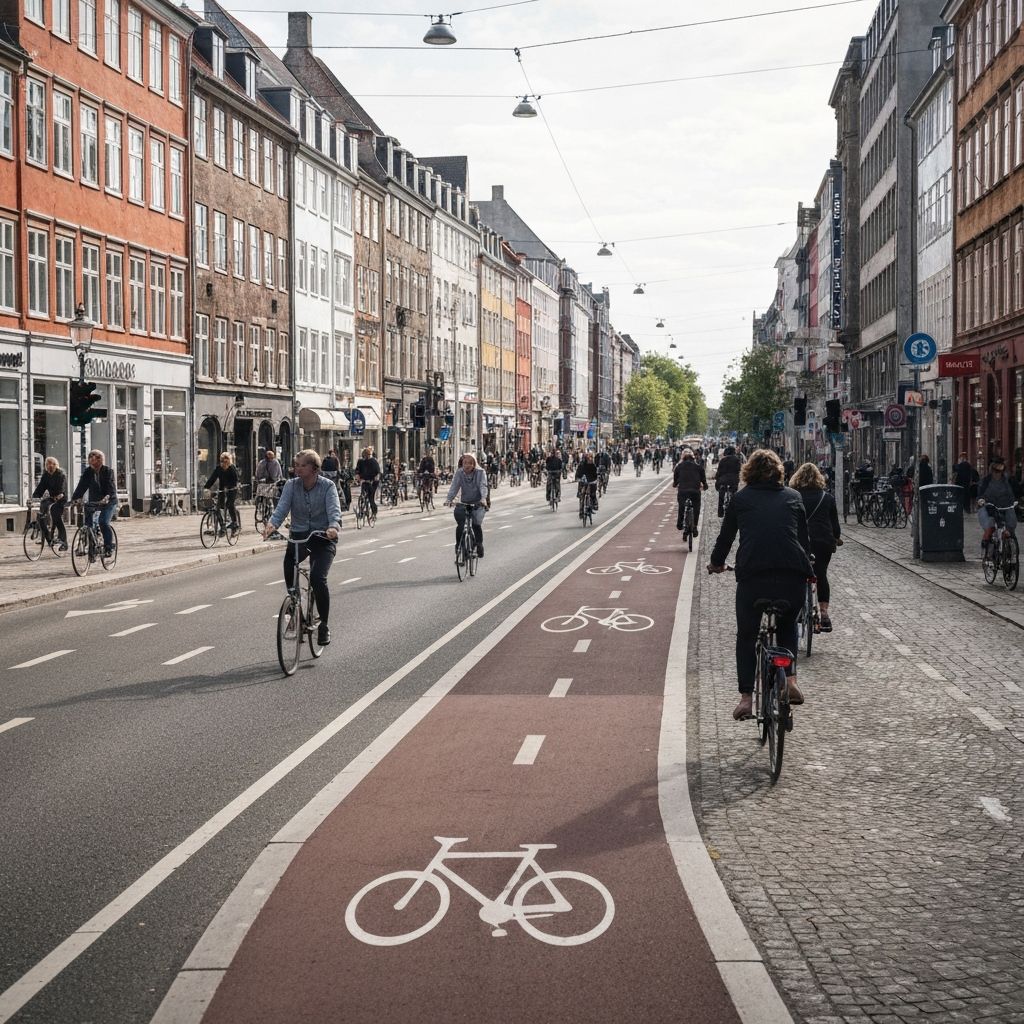
Copenhagen, Denmark
400 km segregated cycle lanes, 62% of residents cycle to work/school
Grade 8/9 Evaluation
Sustainable strategies work best when integrated. Combining public transport + cycling infrastructure + congestion charging creates synergy effects more powerful than single measures alone. Cities like Copenhagen and Freiburg succeed because they implement multiple coordinated strategies rather than isolated interventions. Similarly, BedZED's success comes from integrating water, energy, waste, and transport solutions together.
Knowledge Check
Question 1 of 5What is the main benefit of greywater recycling?