Urban Regeneration Project
Brindley Place, Birmingham (1993-2003)
How a derelict industrial brownfield became a thriving mixed-use development
Investment
Jobs Created
Acres Regenerated
Annual Visitors
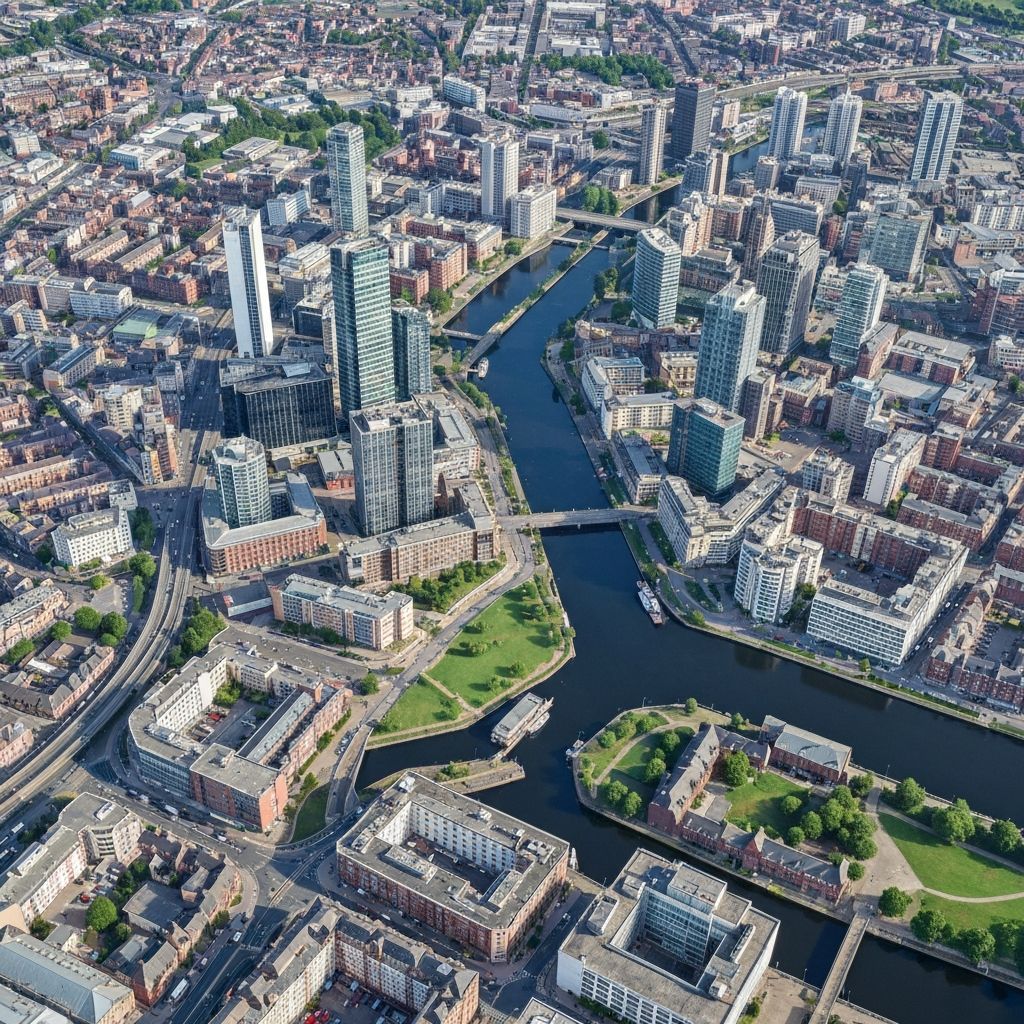
Birmingham City Centre
Near canals & train station
Brindley Place
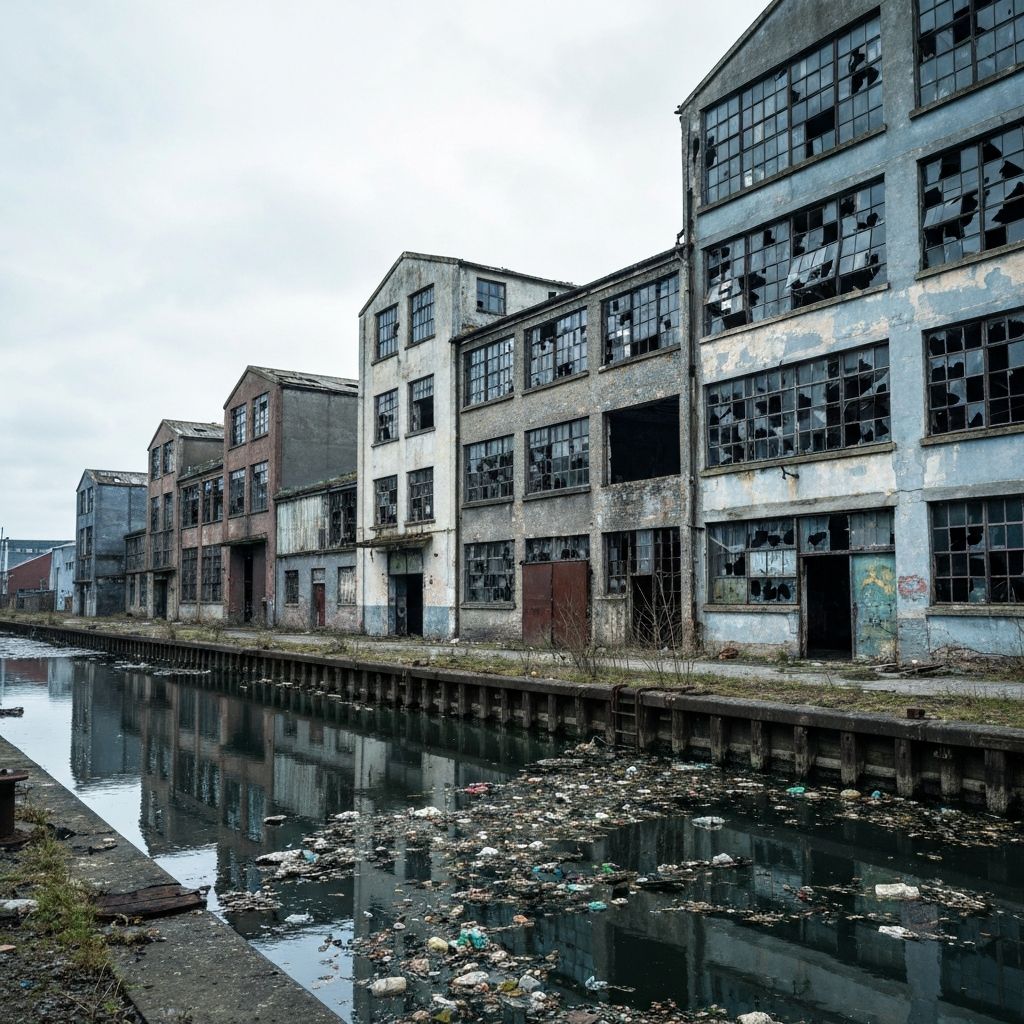
Pre-1990s Condition
- • 17 acres of derelict brownfield land
- • Abandoned warehouses and factories
- • Contaminated soil (industrial pollution)
- • Neglected, polluted canal network
- • Urban decay and negative image
Why Regeneration Was Needed
- • City center in economic decline
- • Businesses leaving Birmingham
- • High unemployment rates
- • Low tourism and visitor numbers
- • Negative perception of city
Drag slider to compare pre-1993 vs post-2003
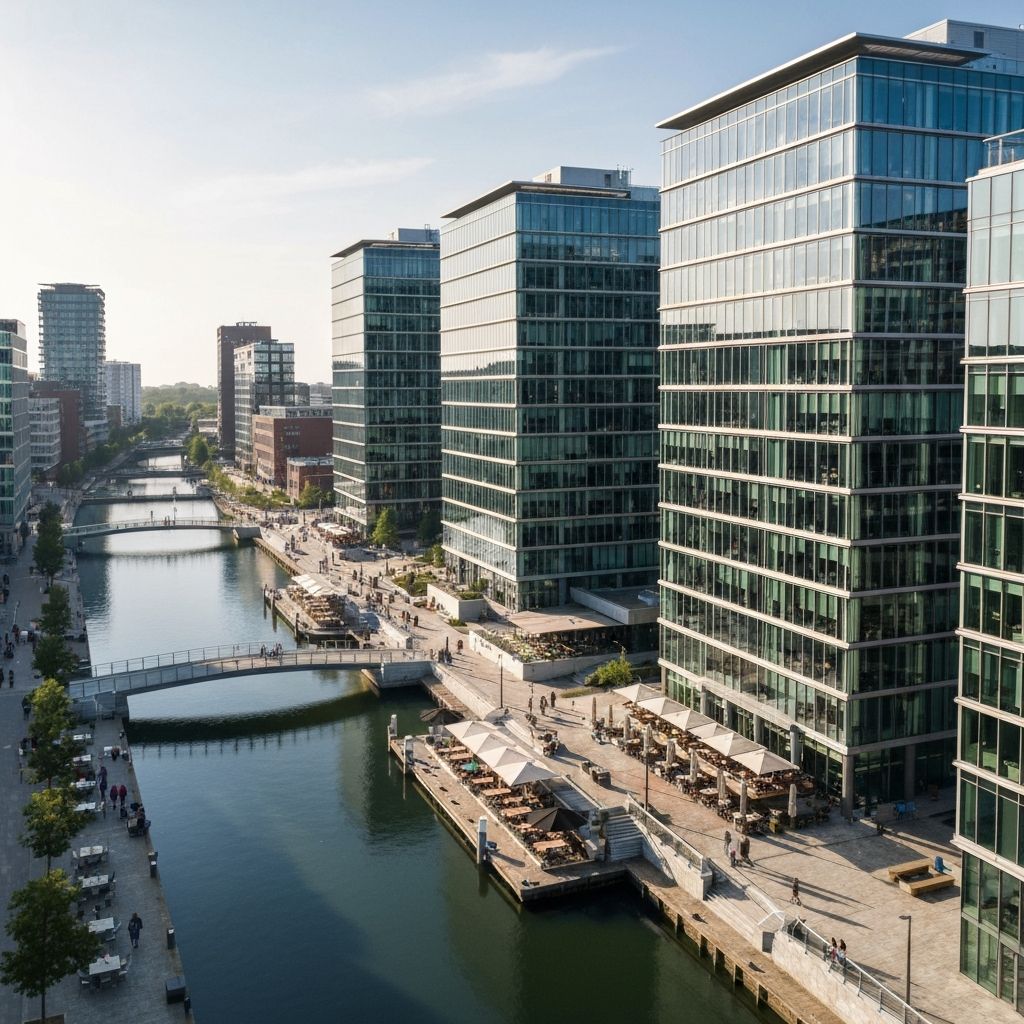
Approach: Public-private partnership creating mixed-use development
Commercial
- • 15 office buildings
- • 1 million sq ft office space
- • Major companies: Ernst & Young, Deutsche Bank
Leisure & Culture
- • 25+ bars and restaurants
- • Symphony Hall concert venue
- • Sea Life Centre aquarium
- • Ikon Gallery (modern art)
Residential
- • Luxury canalside apartments
- • High-end housing (£250,000+)
- • Targeted at professionals
Public Space & Infrastructure
- • Pedestrianized squares
- • Canal towpath upgraded
- • Public art and landscaping
- • 10 min walk to New Street station
Click to explore different impact types
Economic Impacts
Offices, retail, leisure sectors
During 10-year build period
Private investment, public-private partnership
Canalside apartments
Sea Life + Ikon Gallery + Symphony Hall
5,000+ permanent jobs by sector and skill level
Skills mismatch: 50% of jobs require high qualifications (degrees, professional certifications), but local unemployed residents were mostly former factory workers with practical skills, not office qualifications.
Click conflict type to see winners and losers
Gentrification
Luxury development displaced working-class residents
✓ Who Benefits
- • Middle-class professionals
- • Property developers
- • Business owners
- • Tourism industry
✗ Who Loses
- • Working-class residents
- • Low-income families
- • Traditional communities
- • Local small businesses
Luxury apartments (£250,000+) and expensive bars/restaurants priced out existing residents. Area changed from working-class industrial community to middle-class professional area.
Economically Successful ✓
5,000+ jobs, £500m investment, multiplier effect, tourism boost
Environmentally Positive ✓
Brownfield reused (no greenfield loss), canals cleaned, wildlife returning
Socially Divisive ✗
Gentrification displaced working-class residents; benefits went to professionals, not local poor; nearby Aston poverty persists
Key exam point: Brindley Place shows regeneration can be economically and environmentally successful BUT socially exclusive - the question is always "successful for whom?"
Question 1 of 5
5,000+ permanent jobs created is an example of which type of impact?
Evaluate the success of the Brindley Place regeneration project in Birmingham. Consider economic, social, and environmental effects AND conflicts. [9 marks]