CASE STUDY - Rio de Janeiro: Location, Importance & Growth
Rio de Janeiro, Brazil (NEE)
Understanding why Rio matters at regional, national, and international scales
Location & Context
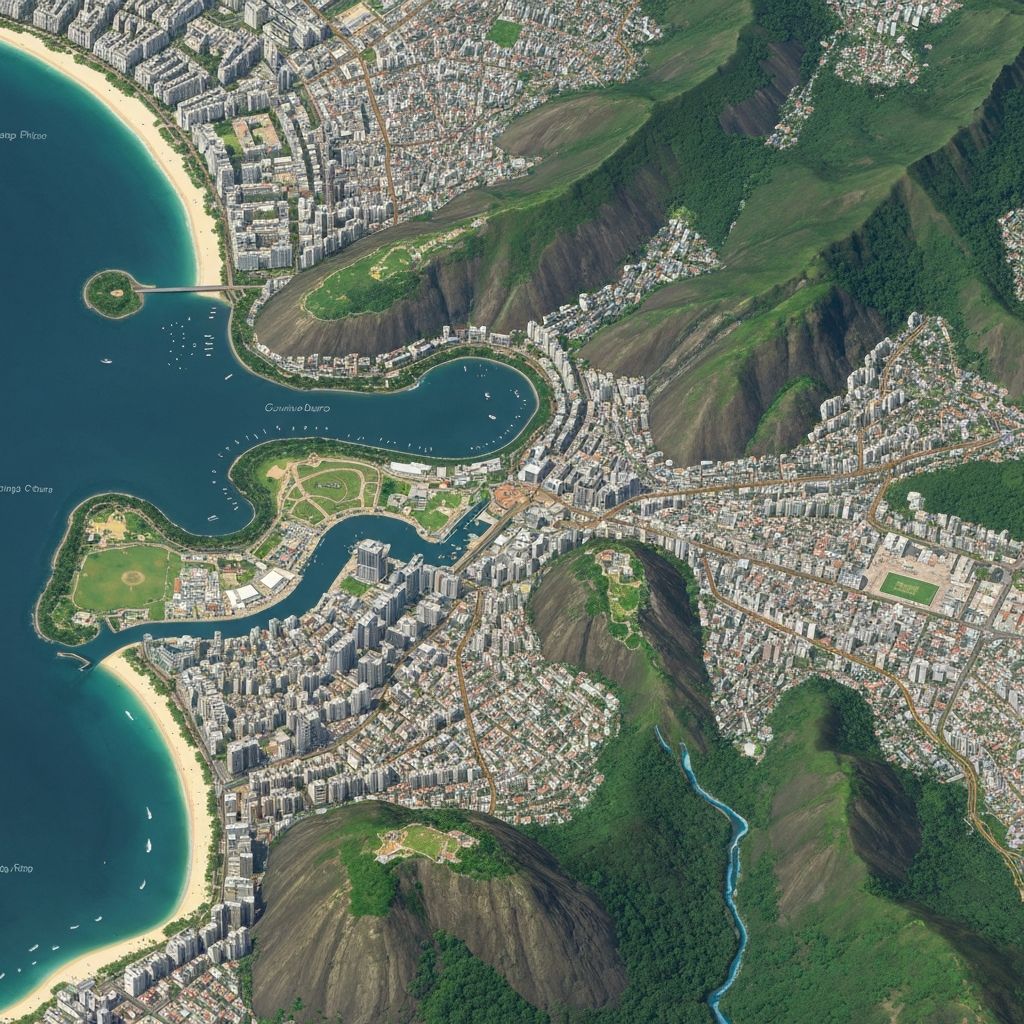
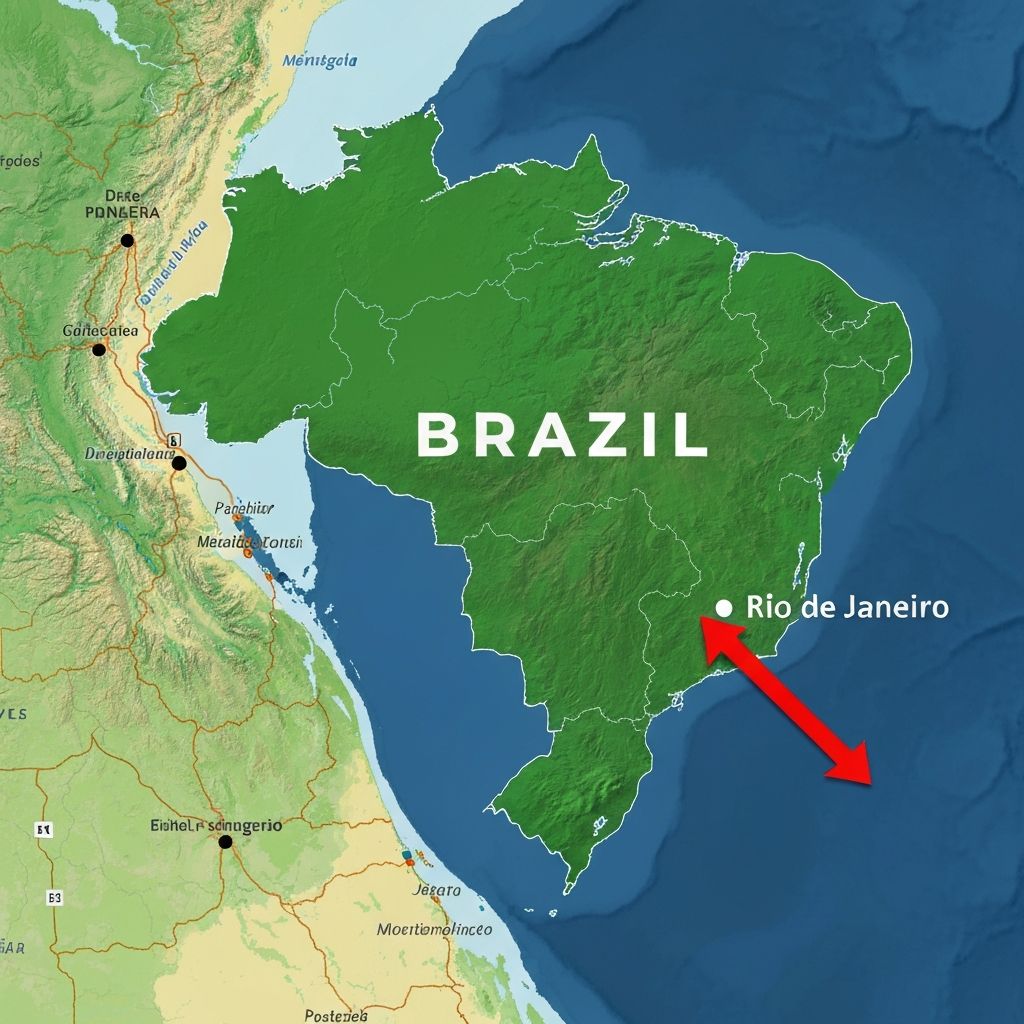
Rio de Janeiro is located on southeast Brazil's coast at coordinates 23°S 43°W. The city sits around Guanabara Bay, one of the world's largest natural harbours, which has been crucial to its development as a major port.
The tropical climate and dramatic landscape of mountains meeting the sea have shaped both the city's growth patterns and its international appeal as a tourist destination.
Brazil Context
- • NEE country - Newly Emerging Economy
- • Second-largest city after São Paulo
- • Former capital until 1960 (now Brasília)
- • Located in Brazil's wealthiest region
Click markers to learn about Rio's key features:
Why Rio Matters
Click a level to explore Rio's importance at each scale:
Regional
- • 12.5 million metro population
- • Cultural hub of Brazil
- • Dominant Southeast city
National
- • 6% of Brazil's GDP
- • Former capital city
- • Major port (iron, steel, oil)
International
- • 2016 Olympics host
- • UNESCO World Heritage
- • 15M+ tons cargo trade
How Rio Has Grown
Key Drivers in 1950s
- •Capital city status
- •Industrial growth beginning
- •Port expansion
- →Agricultural poverty - subsistence farming, low incomes
- →Drought - unreliable rainfall, crop failures
- →Lack of services - limited healthcare/education
- →Landlessness - no land ownership opportunities
- ←Employment - jobs in industries, services, port
- ←Higher wages - 3x rural income levels
- ←Services - healthcare, education access
- ←Entertainment - culture, nightlife, opportunity
Adjust conditions in rural Northeast Brazil and Rio to calculate migration likelihood:
Rural Northeast Brazil (PUSH)
- • Agricultural poverty
- • Drought conditions
- • Lack of healthcare/education
- • Landlessness
Rio de Janeiro (PULL)
- • Employment in industries
- • 3x higher wages than rural
- • Healthcare/education access
- • Entertainment/culture
Natural Increase Contribution
Young migrants (ages 15-35) arrived and started families → high birth rate in the city. Improving healthcare → falling infant mortality → population explosion. Today, natural increase contributes more to Rio's growth than migration.
Grade 8/9 Key Point
Rio's growth was driven MORE by internal migration (from Northeast Brazil) than international migration. Today, natural increase NOW contributes more than migration to population growth - this is characteristic of a maturing NEE city.
Test Your Knowledge
Rio hosts the Olympics and World Cup. What level of importance is this?
Exam Practice
Explain why Rio de Janeiro's importance extends beyond Brazil to international level. Use specific evidence. (4 marks)