Tropical Storms
Formation, Structure and Intensity
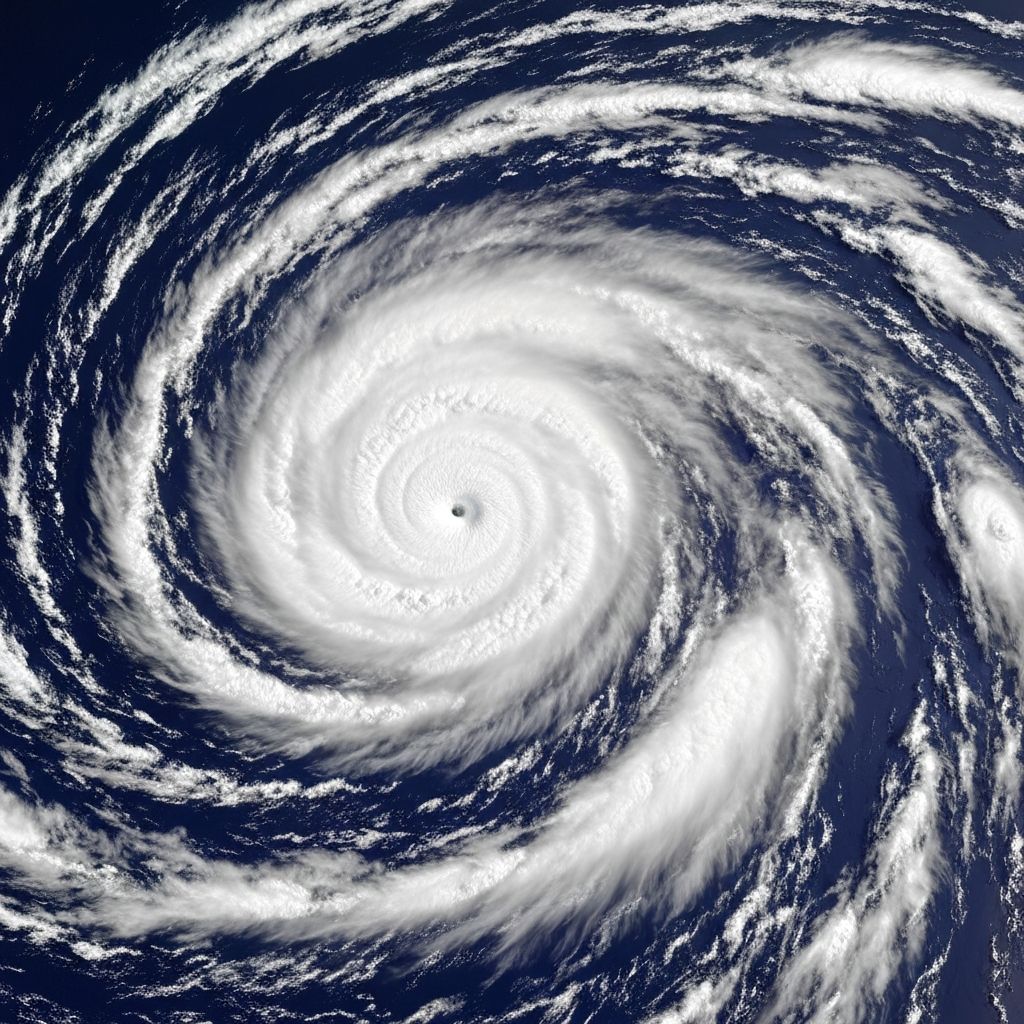
Satellite view showing the distinctive spiral structure and clear eye of a tropical storm
Tropical storms are rotating, intense low-pressure weather systems that form over warm tropical oceans. They have different names depending on where they form:
Hurricanes
Atlantic Ocean
Typhoons
Northwest Pacific
Cyclones
Indian Ocean
Seasonal Pattern:
Northern Hemisphere: June-November | Southern Hemisphere: December-April (when oceans are warmest)
All 5 conditions must be met for a tropical storm to form:
Sea Surface Temperature ≥27°C
Warm water provides energy through evaporation and latent heat release
Location 5°-30° from Equator
Coriolis force needed for rotation - no rotation at equator (0°)
Low Wind Shear
Winds at different heights must move at similar speeds to allow organized structure
High Moisture Availability
Humid atmosphere provides water vapour for condensation and energy release
Low Atmospheric Pressure
Pre-existing low pressure initiates rising air column
Select a scenario to check if a tropical storm will form
Heating
Warm ocean (27°C+) heats air above → air becomes less dense, rises rapidly
Low Pressure
Rising air creates very low-pressure core at surface
Convergence
Converging trade winds feed moist air into rising column
Rotation
Coriolis force deflects rising air → rotation begins (anticlockwise in NH)
Energy Release
Cooling + condensation releases latent heat - the storm's energy source
Intensification
Positive feedback: more moisture → more energy → stronger storm
Full Structure
Clear eye forms, surrounded by eye wall and spiral rainbands
See how latitude affects air deflection and storm rotation
Grade 8/9 Point:
At the equator (0°), there is NO Coriolis deflection because air is moving parallel to Earth's rotation axis. This is why tropical storms cannot form within 5° of the equator.
Click each part to learn more
Eye
Calm center of the storm
- •20-40 km diameter
- •Clear skies, calm winds
- •Lowest pressure (center of low-pressure system)
- •Warm, sinking dry air
- •Deceptively peaceful - storm wall surrounds it
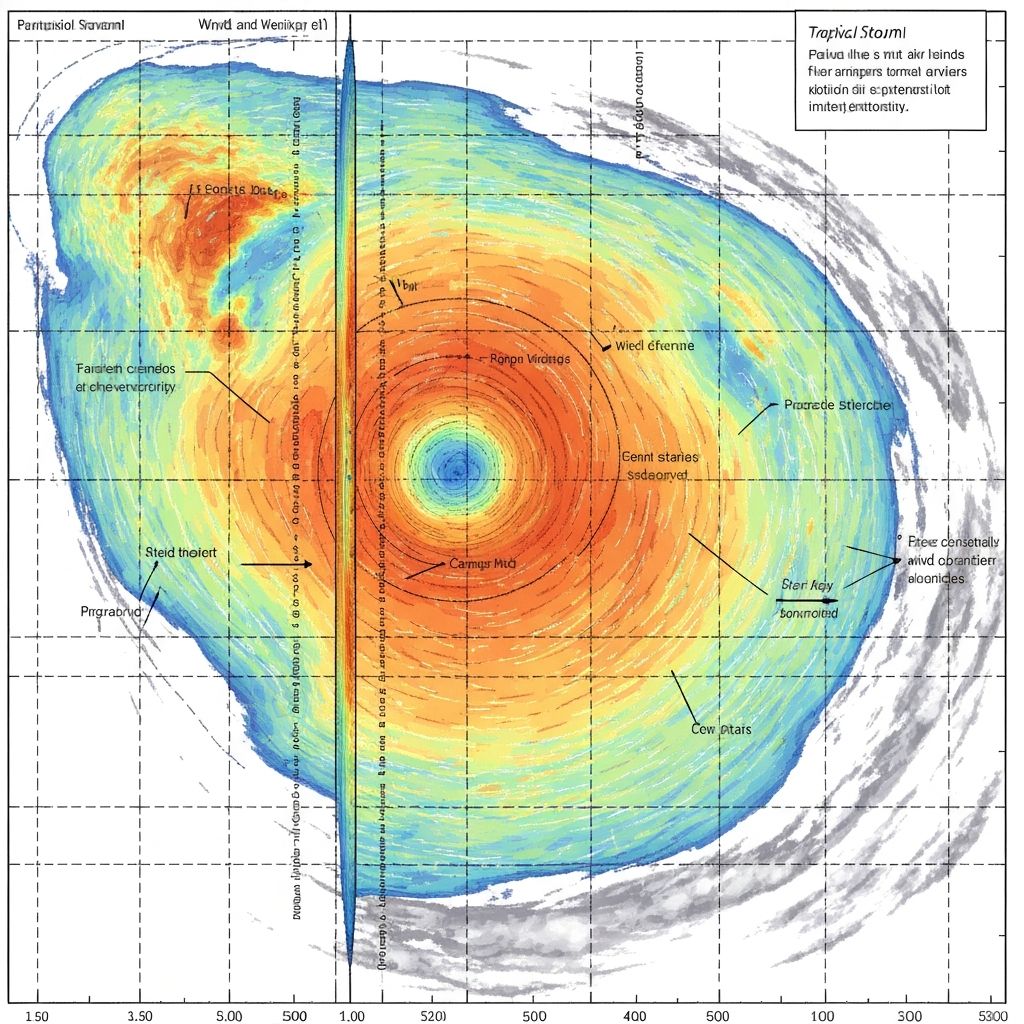
Diameter: 100-1000 km (typically 500 km)
Duration: 7-14 days typical
Landfall: Storm weakens rapidly when cut off from warm water
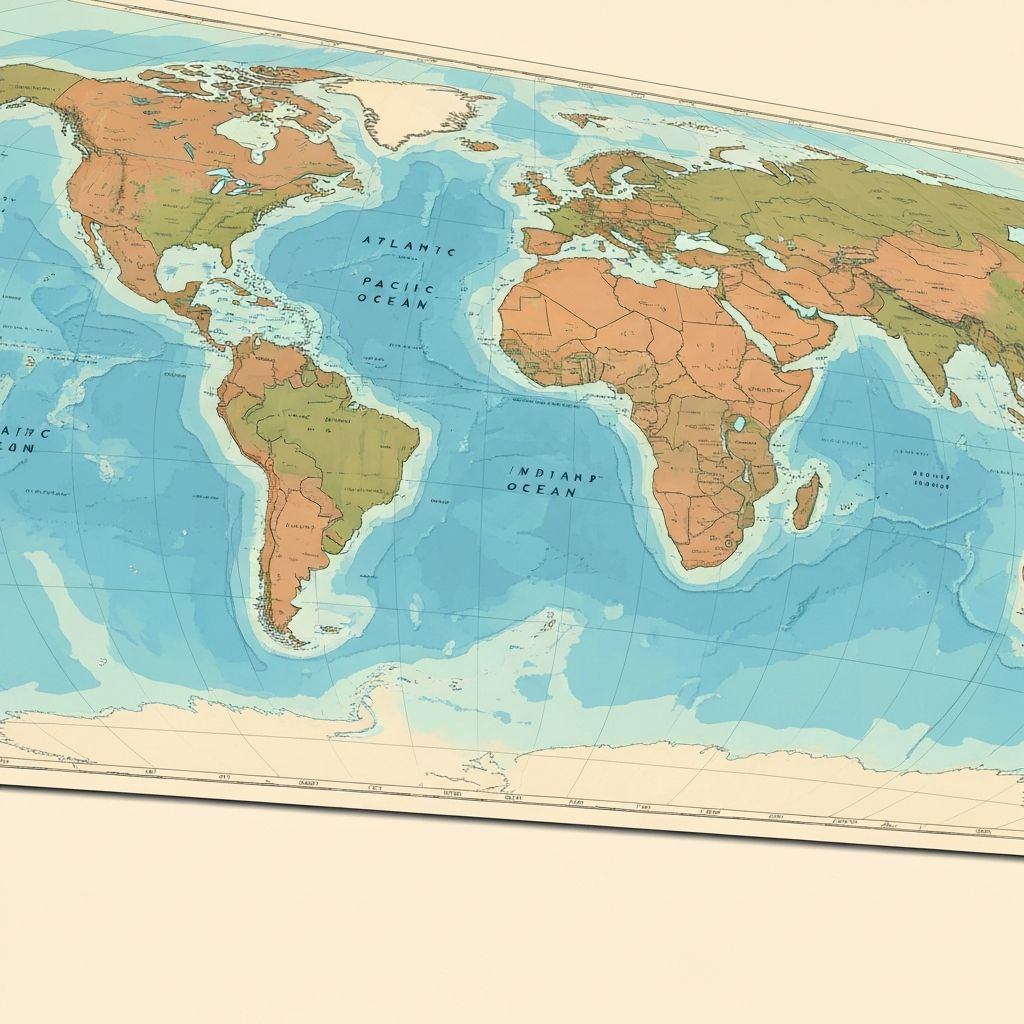
Storms form between 5°-30° latitude where warm oceans (27°C+) and Coriolis force combine. Note: No storms form at the equator due to lack of Coriolis deflection.
Click a category to see details
Exam Tip:
Category 3+ storms are considered 'major hurricanes' - these cause the most deaths and damage. Always mention wind speed thresholds in your answers.
Why 27°C threshold? Below this temperature, evaporation rates are insufficient to provide the moisture and latent heat energy needed to sustain the storm's convection cycle.
Why is Coriolis essential? Rising air creates a pressure difference, but without Coriolis deflection, air would simply rush straight in to fill the low pressure. Coriolis deflects this inflowing air, creating the characteristic rotation.
Why not at equator? Coriolis force = 0 at equator because the horizontal component of Earth's rotation is zero there. Storms need at least 5° latitude for sufficient rotation.
What is the minimum sea surface temperature needed for tropical storm formation?
Tropical Storm A develops at 5°N latitude with SST 26°C and strong wind shear. Tropical Storm B develops at 15°N with SST 28°C and low wind shear. Which is more likely to intensify into a hurricane? Use formation requirements to explain your answer. (4 marks)