Tropical Storm Case Study
Typhoon Haiyan 2013
The strongest landfalling storm ever recorded - lessons in vulnerability, warning, and response
Cat 5
Super Typhoon
6,200+
Deaths
4M
Displaced
4-6m
Storm Surge
Location & Context
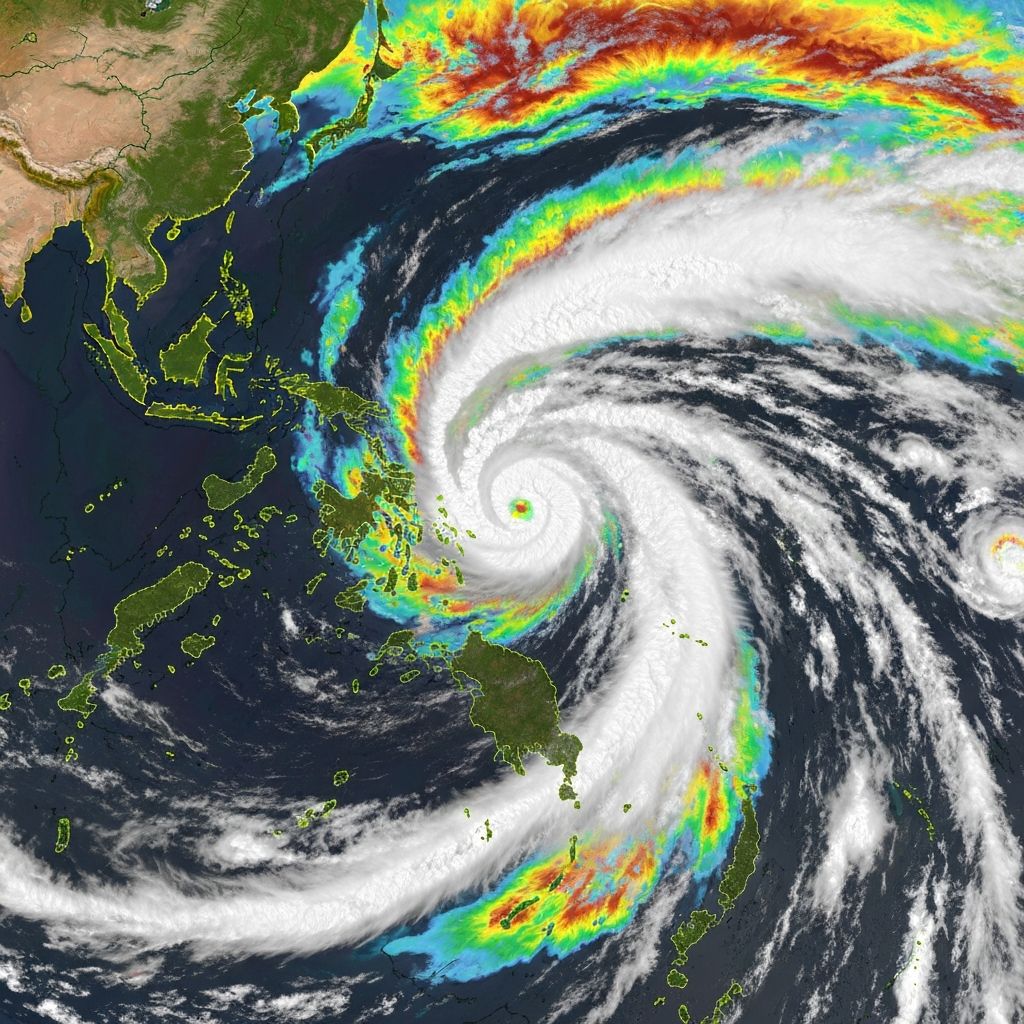
Country: Philippines - NEE (Newly Emerging Economy)
Geography: Island arc, 7,000+ islands, long coastline
Population: Many coastal fishing communities (most vulnerable)
Climate: Tropical, monsoon, typhoon belt location
Category: 5 (strongest landfalling storm ever recorded)
Sustained winds: 195 km/h
Wind gusts: 300 km/h (strongest on record)
Storm surge: 4-6m (pushed 40km inland)
Wave heights: 15+ metres
Warning & Decision Making
PAGASA (Philippine weather agency) tracked Haiyan for 5 days before landfall. Warnings were issued - but evacuation procedures were newly developed, public trust was low, and evacuation orders were not mandatory.
PAGASA identifies tropical depression forming east of Philippines
What would you do?
Impacts
6,200+ deaths
Mostly from storm surge drowning or surge-driven debris
1 million homes damaged/destroyed
Coastal fishing settlements obliterated
4-6m storm surge (unusual for Philippines)
Reached 40km inland in some areas - most destruction from surge, not wind
500,000+ hectares crops damaged
Major food security impact
Disease outbreaks
Cholera outbreak in camps (poor sanitation), dengue from stagnant water
$1 billion+ damage
Philippines' most expensive typhoon
Environmental destruction
Mangrove forests (natural surge barriers) destroyed
Malnutrition & trauma
Food shortage + limited aid distribution; high trauma rate in survivors
Evacuation Scenario
Could you survive? Adjust distance, time, and surge height to see outcomes.
Surge penetration: 40.0 km inland
Time to evacuate on foot: 1.0 hours
Likely to survive
Either out of surge zone or enough time to evacuate
Haiyan reality: 6m surge reached 40km inland in flat areas. Many had only hours warning.
Response Phases
- Search and rescue operations in debris
- Temporary shelters in schools and government buildings
- Medical response overwhelmed - hospitals damaged
- Communication breakdown - roads impassable
- International aid arriving (UN, NGOs, foreign governments)
- Medical teams treating injuries and preventing disease
- Hygiene and sanitation improvements to prevent cholera
- Schools reopening, livelihood assistance beginning
- Rebuilding 1+ million homes with improved standards
- Mangrove replanting programs (natural surge barriers)
- Warning system improvements and public awareness campaigns
- Evacuation center construction on high ground
- NEE limitations: Better resources than LIC but still limited compared to HIC
- Rural isolation: Remote communities far from services, hard to reach
- Corruption: Issues with aid distribution reaching those who needed it
- Climate change: Typhoons increasing in intensity - future storms may be worse
Aid Allocation Challenge
You have 100 units of aid. Allocate resources to maximize survival. Post-Haiyan: 4 million displaced, hospitals damaged, water contaminated.
Immediate starvation risk
Dehydration + cholera outbreak
Injury treatment + disease prevention
Exposure + vulnerable groups
Compare with Other Storms
How does development level affect outcomes? Compare Haiyan (NEE), Katrina (HIC response failure), and Nargis (LIC preparation failure).
| Factor | Typhoon HaiyanPhilippines (NEE) | Hurricane KatrinaUSA (HIC) |
|---|---|---|
| Category | 5 | 5 |
| Wind Speed | 195 km/h sustained, 300 km/h gusts | 175 km/h at landfall |
| Storm Surge | 6m (40km inland) | 8.5m |
| Deaths | 6,200+ | 1,800 |
| Displaced | 4 million | 1 million |
| Damage | $2.2 billion | $125 billion |
| Warning | 5 days tracking, warnings issued | Excellent tracking, mandatory evacuation ordered |
| Warning Effectiveness | Low - evacuation not mandatory, public trust low | Medium - many poor residents couldn't evacuate (no transport/money) |
| Key Lesson | Warnings alone insufficient without evacuation infrastructure and public trust | Even HICs fail when socioeconomic vulnerability ignored |
Grade 8/9 Insight
Death toll correlates with development level and warning effectiveness, not storm magnitude. Nargis (Cat 4) killed 70x more than Katrina (Cat 5) due to zero warning system.
Building Resilience
What improvements would reduce deaths if Haiyan struck again?
Budget: 60 units. Select improvements to reduce future storm impacts.
Test Your Knowledge
What caused most deaths in Typhoon Haiyan?
Exam Practice
Typhoon Haiyan (2013, Philippines) killed 6,200+ despite warnings. Hurricane Katrina (2005, USA) killed 1,800 with excellent warning systems. Cyclone Nargis (2008, Myanmar) killed 138,000 with no warning system. Analyze these three tropical storms using concepts of hazard magnitude, vulnerability, and preparedness. Why do death tolls vary so much? [6 marks]