Science & Business Parks in UK Post-Industrial Economy
How high-tech clusters drive innovation, create jobs, and shape the UK's quaternary economy
130+
UK Science Parks
120,000+
Employees
40+
University Links
Definition:
Areas of offices and laboratories where high-tech businesses locate, often linked to universities for research collaboration and graduate recruitment.
Key Characteristics:
Access to research, academics, and graduate workforce
Available land, good transport, attractive environment
High-quality offices, labs, green spaces, shared facilities
Startups to multinationals, networking and collaboration
Click a region to explore its science parks, employment, and specializations
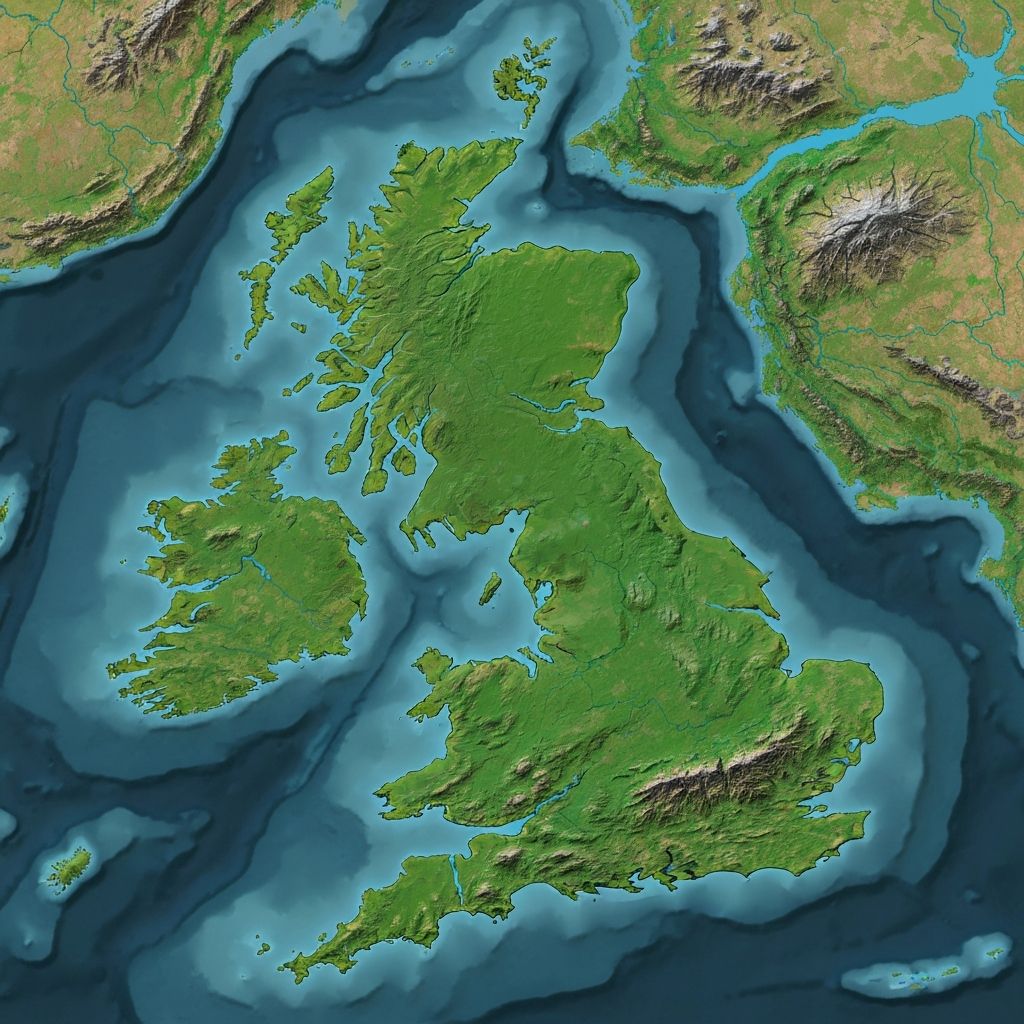
Click region to explore
Numbers = science parks
Southeast England
Science & Technology Hub
45
Science Parks
50,000
Employees
Example Parks:
Specializations:
Founded
1970
by Trinity College
Companies
130+
startups to MNCs
Jobs
8,000+
high-skilled roles
Avg Salary
£50k+
vs £30k UK avg
"Silicon Fen" - Cambridge's tech cluster is nicknamed after California's Silicon Valley. The Science Park is 4km from the city centre, near the M11 motorway, on 152 acres (62 hectares) of landscaped campus.
Companies on Cambridge Science Park
ARM Holdings
Chip Design
Global leader in semiconductor IP, designs processors for 95% of smartphones
3,000+
Cambridge University spin-off (1990)
See how university research becomes commercial products - the ARM Holdings story
University Research
Cambridge University computer science research develops new chip architecture (1980s)
Acorn Computers project at Cambridge develops RISC processor design
Spin-Off Company
ARM Holdings founded as university spin-off (1990)
Commercial Product
ARM chips power 95% of smartphones worldwide
To the Local Area:
Employment
8,000+ well-paid jobs → spending in local economy, multiplier effect
Skills Retention
Graduates stay in Cambridge (don't move to London), retain talent
Infrastructure
Transport links improved (roads, public transport), benefits all residents
Tax Revenue
Corporation tax, business rates = funds local services
To Companies:
University Links
Collaborate with Cambridge researchers, access cutting-edge discoveries
Skilled Workforce
Recruit graduates directly from world-class university
Networking
Other tech companies nearby = partnerships, knowledge spillovers
Prestige
Cambridge association = credibility, easier to attract investors
To Cambridge University:
Commercialization
Research → products = licensing fees, equity revenue
Funding
Companies sponsor research = additional funding
Graduate Jobs
Strong job market for students, better reputation
Adjust jobs and salaries to see the ripple effect on the local economy
Total Annual Wages
£0.40 billion
Pumped into the local economy each year
£84M
Housing & Rent
£60M
Retail & Shopping
£48M
Food & Dining
£48M
Transport
Multiplier Effect Creates
9,600 additional jobs
In local shops, restaurants, services, construction
House Prices
Cambridge = most expensive outside London (£550k+ average). High-earning tech workers → prices ↑ → local families priced out.
Traffic Congestion
8,000 workers commuting daily = roads congested (M11, A14). Park-and-ride helps but doesn't eliminate.
Pressure on Services
Schools, hospitals, infrastructure strained by population growth (tech workers + their families).
Inequality
High-skilled tech jobs inaccessible to many locals (need STEM degrees). Two-tier economy emerges.
Cambridge vs UK House Prices
Cambridge (2024)
£550k
UK Average (2024)
£290k
Cambridge Premium
1.9x
Housing Affordability Crisis
High-earning tech workers drive up prices → local families (teachers, nurses, retail workers) priced out → gentrification and social inequality
Oxford Science Park
Founded 1991 | 90+ companies
Focus: Life sciences, pharmaceuticals, medical devices, software. Links to Oxford University research in medicine and engineering.
Manchester Science Park
Founded 1984 | 150+ companies
Focus: Software, digital, creative industries. Adjacent to Manchester University. Synergy with MediaCityUK nearby.
Grade 8/9 Key Point
Science parks are critical to the UK post-industrial economy (high-value jobs, innovation, international competitiveness), BUT benefits are unequally distributed. High-skilled workers prosper while housing affordability crisis and two-tier economy exclude many. Examiners reward answers that evaluate both sides with specific evidence.
Why do science parks locate near universities?
Explain how science parks contribute to the UK's post-industrial economy. Use Cambridge Science Park as an example. (6 marks)