Resource Management Overview
Significance of Food, Water, Energy & UK Resource Overview
Understanding why resources matter and how the UK manages them
3
Key Resources
40%
UK Food Imported
150L
UK Water/Person/Day
50%
UK Renewables 2023
What Are Resources?
Resources are products or commodities with value to humans, essential for survival and wellbeing.
Food
Nutrition, growth, health
Water
Drinking, sanitation, agriculture
Energy
Heating, cooking, transport, industry
Why Resources Are Significant
Resource Significance Explorer
Click a resource to explore its importance for survival, economy, and society
Why Food Matters
- •Nutrition for growth & development
- •Health maintenance
- •Energy for daily activities
- •Agriculture = major employment (50%+ in LICs)
- •Food exports earn foreign currency
- •Food processing = industrial jobs
- •Food security = social stability
- •Food insecurity → malnutrition, conflict
- •Cultural identity through cuisine
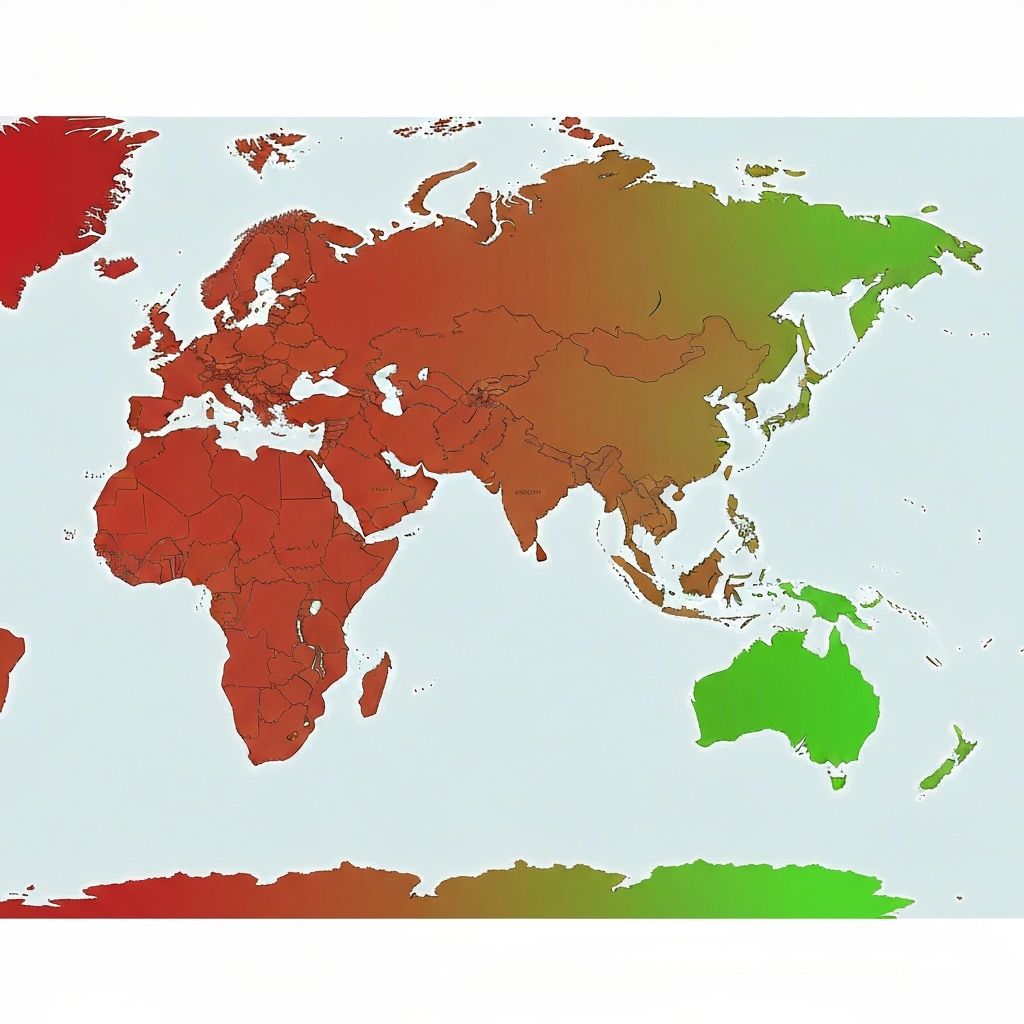
Global Resource Inequality
Unequal Supply
- • Canada: Water surplus (abundant lakes/rivers)
- • Saudi Arabia: Oil rich, water poor
- • Chad: Water/food deficit
- • Japan: Energy imports (few fossil fuels)
Physical factors (climate, geology) determine availability
Unequal Consumption
- • HICs (20% population): 60%+ resource consumption
- • LICs (80% population): 40% resource consumption
- • Rising demand: NEEs industrializing rapidly
China/India = huge demand increases as they develop
Global Resource Inequality
HICs (20% population) consume 60%+ of global resources
Consumption Level
Select a region to compare:
North America
12,000 kWh/person
Energy
500+ L/day
Water
3,500+ cal/day
Food
Key Inequality: Average UK person uses 150L water/day, average Ethiopian uses 15L/day — a 10x difference
UK Food Overview
Changing Demand
- ↑Population growth: 67m → 70m+ by 2035
- ↑Diverse diets: Ethnic cuisines, exotic foods, organic
- ↑Year-round: Strawberries in winter expected
UK Food Supply
- • 40% imported (climate/seasonality limits)
- • EU: Spain (veg), France (cheese)
- • Africa: Kenya (green beans)
- • S. America: Brazil (soy for animal feed)
UK Food Imports Tracker
UK imports 40% of food — track where it comes from and its carbon cost
Select a food item:
Strawberries
Distance travelled:
27%
From EU
Spain, France, Netherlands
8%
From Africa
Kenya, South Africa
5%
From Americas
Brazil, USA, Costa Rica
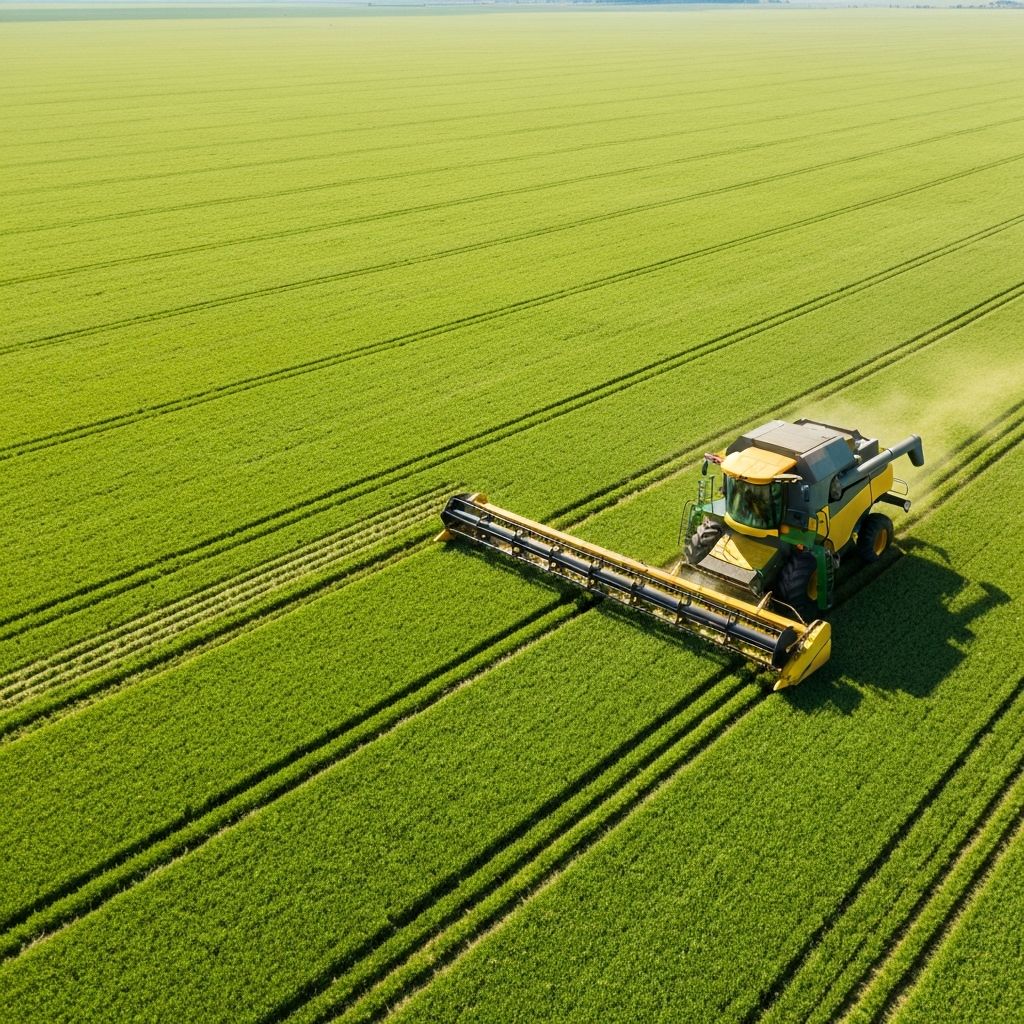
Agribusiness
Definition: Large-scale, intensive, commercial farming run like businesses
Advantages
- ✓ Efficient, high yields
- ✓ Low costs per unit
- ✓ Feeds UK population
- ✓ Consistent quality
Disadvantages
- ✗ Soil erosion, pesticide pollution
- ✗ Biodiversity loss (hedgerows removed)
- ✗ Animal welfare concerns
- ✗ Small farms disappear
UK Water Overview
Changing Demand
- ↑Population growth: More people = more demand
- ↑Appliances: Washing machines, dishwashers
- ↑Lifestyle: Daily showers, gardens, pools
UK Water Supply
- • Overall: Adequate rainfall (1000+ mm/year)
- • BUT regional imbalance:
- - North/West: SURPLUS (high rain, fewer people)
- - South/East: DEFICIT (low rain, more people)
UK Water Transfer Schemes
North/West = surplus (high rainfall, fewer people) → South/East = deficit (low rainfall, more people)
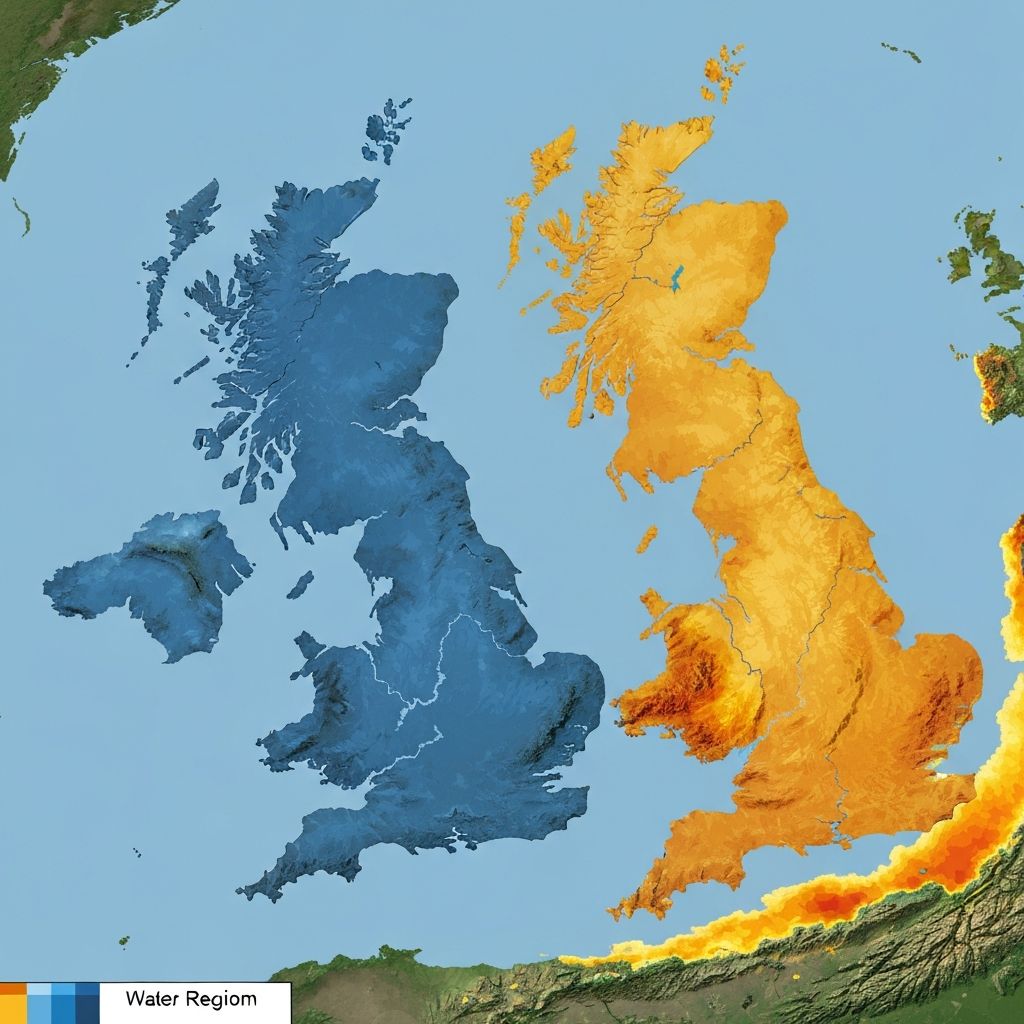
Water Balance
Wales: 2,000+ mm/year
SE England: 550 mm/year
Major transfer schemes:
360 million litres/day
Volume
118 km
Distance
Operating since
1904
Gravity-fed aqueduct from Welsh reservoirs
Challenge: London & Southeast have 18+ million people but only 550mm rainfall — less than Istanbul or Barcelona
Water Quality & Pollution
Pollution Sources
Agricultural runoff, sewage discharge, industrial waste
Treatment
Water treatment plants clean water before distribution
Standards
EU Water Framework Directive standards maintained
UK Energy Overview
Changing Demand
- →Overall stable: Efficiency gains offset population growth
- ↔Structure changing: Less gas heating → more electricity
- ↑Electrification: EVs, heat pumps = more electricity demand
Energy Security Concerns
- • North Sea declining: Oil/gas reserves running out
- • Import dependency: Gas from Norway, oil from Middle East
- • 2022 crisis: Russia-Ukraine → gas prices x10
- • Need: Diversify sources, increase renewables
UK Energy Mix Timeline
Drag the slider to see how UK electricity sources have transformed since 1990
Renewables now largest source, last coal stations closing 2024
65% → 1%
Coal decline (1990-2023)
2% → 50%
Renewables growth
Grade 8/9 Analysis
The UK is relatively fortunate compared to LICs — we have food/water/energy security. However, we face significant challenges:
- • Import dependency — vulnerable to global price shocks and supply disruptions
- • Regional imbalances — Southeast water stress, Northern energy poverty
- • Environmental sustainability — food miles, renewable transition, water quality
Top answers recognize that resource security is RELATIVE, not absolute — and that trade-offs exist between economic efficiency, environmental impact, and security.
Test Your Knowledge
Resource Management Quiz
1/6Which resource is most important for agriculture, using 70% of global supply?
Exam Practice
Explain why food, water and energy resources are significant for economic and social wellbeing. [6 marks]
Key Terms
Note: Students answer ONE detailed section — Food, Water, OR Energy. Next we study FOOD in detail.