Factors Affecting Food Supply & Impacts of Food Insecurity
Why some countries can't produce enough food, and the devastating consequences when they can't
Why some countries can't produce enough food
Climate
Extreme temperatures, unreliable rainfall, tropical storms, climate change
Example: Sahel region: 400mm rainfall/year, frequent droughts. East Africa droughts (2011, 2017, 2022) = millions food insecure.
Technology
Lack of tractors, irrigation, fertilizers, storage facilities
Example: Ethiopia farmer: hand tools = 0.5 hectares/day. USA farmer: tractor = 50 hectares/day. Yields 1-2 tons vs 8-10 tons/hectare.
Pests & Disease
Locusts, crop blight, livestock diseases
Example: East Africa locust swarms (2020) = 'worst in 25 years', destroyed 200,000+ hectares crops.
Water Stress
Demand exceeds available supply, can't irrigate crops
Example: Yemen: severe water stress → agriculture declining, food imports rising (but can't afford).
Conflict
Farms abandoned, infrastructure destroyed, aid blocked
Example: South Sudan civil war: 7 million food insecure (60%), famine declared 2017.
Poverty
Can't afford seeds, fertilizers, tools; debt traps
Example: Malawi smallholders earn <$1/day, can't afford fertilizers → maize yields 1 ton/hectare (vs potential 5 tons).
Click factors to see their cumulative effect on food production
Compare HIC farmer (USA) vs LIC farmer (Ethiopia) - adjust farm size
LIC Farmer (Ethiopia)
Hand tools, oxen plough
HIC Farmer (USA)
Tractor, combine harvester
This technology gap explains why HICs have surplus while LICs struggle with food security
Click conflict zones to see food insecurity data
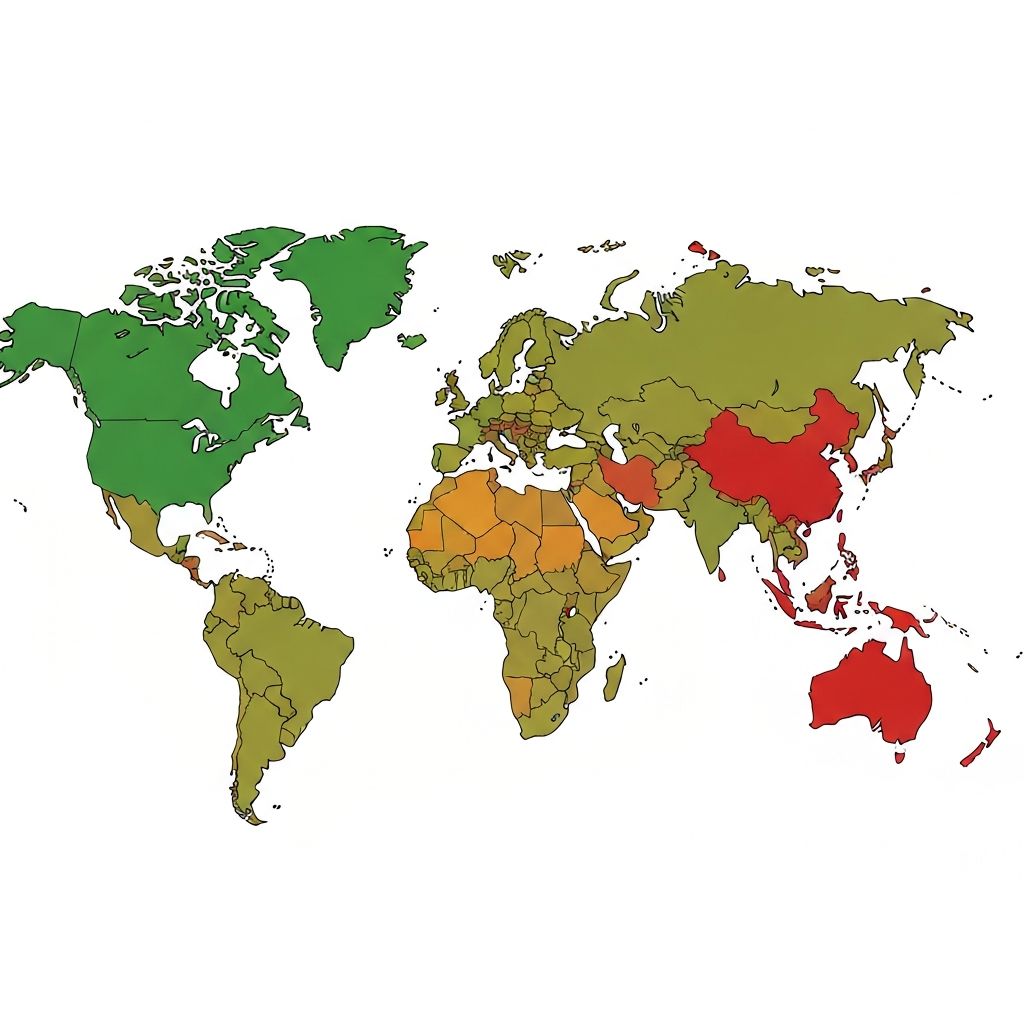
The devastating consequences when people can't access enough food
Famine
Widespread starvation, mass death
Example: Somalia 2011: 260,000 deaths (half children under 5). Caused by drought + conflict + poverty combined.
Undernutrition
Not enough calories/nutrients, stunted growth
Example: 828 million undernourished globally. 45% child deaths linked to undernutrition. Kwashiorkor (protein deficiency) common in LICs.
Soil Erosion
Desperate overcultivation, desertification
Example: Sahel region: overgrazing + drought = desertification advancing 5-10 km/year southward.
Rising Prices
Supply falls, costs spike, urban poor hardest hit
Example: 2007-2008 crisis: wheat/rice/maize doubled, 100+ million pushed into poverty/hunger.
Social Unrest
Food riots, political instability
Example: Arab Spring 2011: wheat prices doubled → Tunisia, Egypt, Libya uprisings, governments overthrown.
Migration
Environmental refugees flee hunger/drought
Example: Syrian refugees 6+ million (conflict + drought). Central America 'Dry Corridor' → migration to USA.
Resource Conflict
Fighting over water, land grabs
Example: Nile dam disputes. China/Saudi Arabia buy African farmland ('neo-colonialism'), locals displaced.
Click an impact to see the chain reaction it triggers
Grade 8/9 Analysis: Impacts are interconnected in a vicious cycle. Soil erosion → lower yields → higher prices → social unrest → migration → conflict → MORE food insecurity. Breaking this cycle requires addressing multiple factors simultaneously.
Drag the slider to see price spikes and linked events
Ukraine War Crisis
Global wheat/fertilizer prices spiked. Black Sea grain exports blocked.
Causes: Russia-Ukraine war (major grain exporters), fertilizer shortages
Grade 8/9: Breaking this cycle requires addressing multiple factors simultaneously - single interventions are insufficient.
Which factor caused 200,000+ hectares of crop destruction in East Africa in 2020?
Explain how conflict can lead to food insecurity. Use an example in your answer. [6 marks]