Volcanic Hazards
Eruption types, primary hazards, and danger zones
Magma Viscosity & Eruption Style
The viscosity (thickness) of magma determines how a volcano erupts. This is controlled by silica content - more silica = thicker magma = more explosive eruption.
Basaltic Magma (Low Silica)
- • Runny, flows easily
- • Gas escapes gently
- • Effusive eruptions - lava flows
- • Examples: Hawaii, Iceland
- • Less immediately dangerous
Rhyolitic Magma (High Silica)
- • Thick, sticky
- • Gas trapped → pressure builds
- • Explosive eruptions - violent blasts
- • Examples: Mt St Helens, Pinatubo
- • Extremely dangerous
Magma Viscosity Simulator
Effusive
Basaltic (low silica)
Gentle lava flows
Hawaii, Iceland
Low immediate danger
Eruption Type Comparison
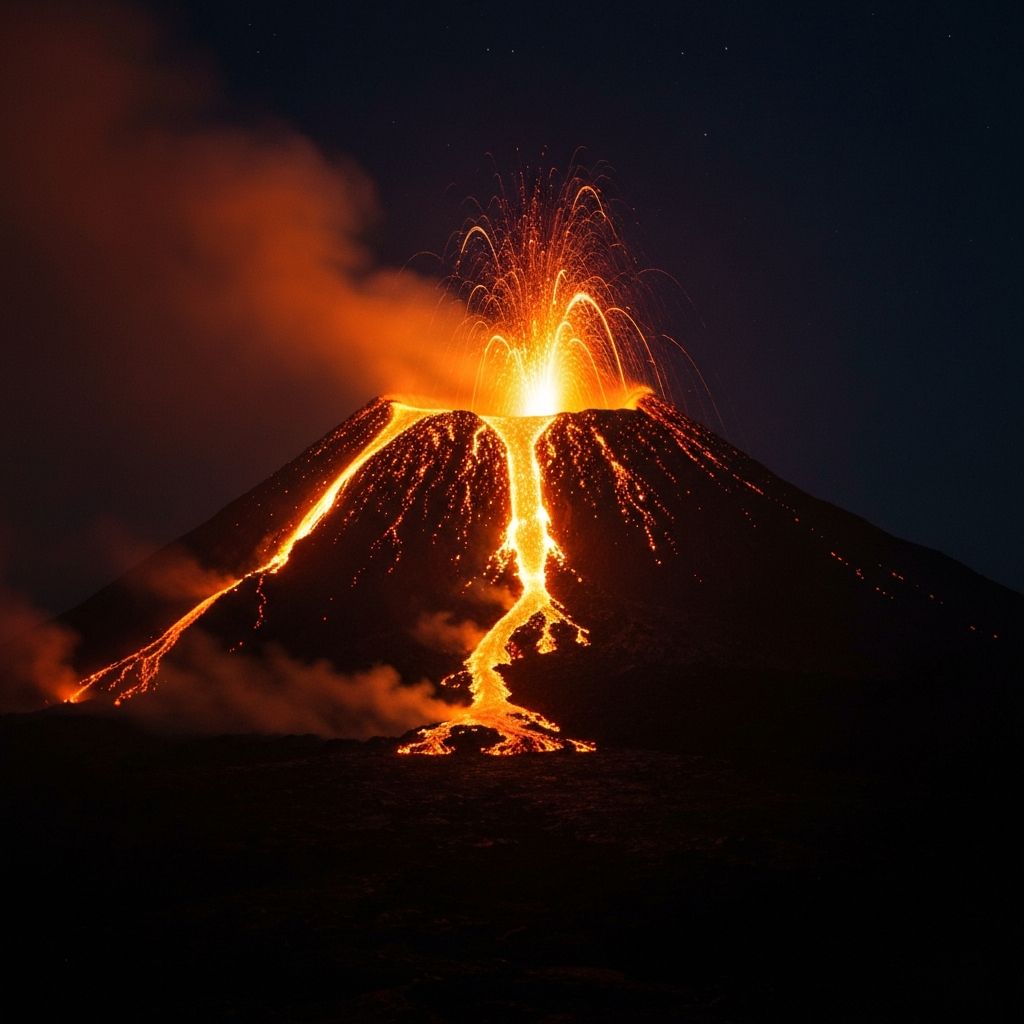
Effusive Eruption (Hawaii-type)
Gentle lava flows, shield volcano shape
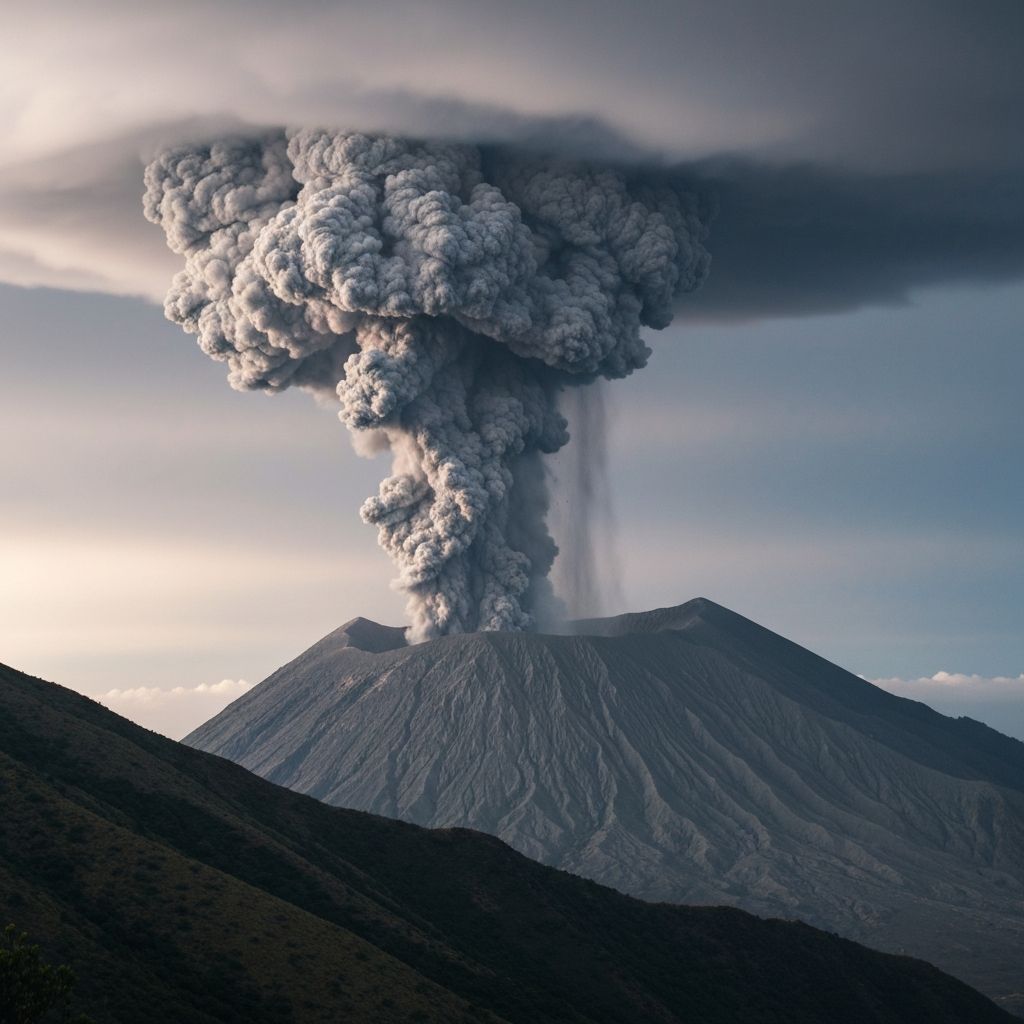
Explosive Eruption (Plinian-type)
Violent blasts, steep stratovolcano shape
Primary Volcanic Hazards
1. Lava Flows
Molten rock moving downslope at 1-10 km/h. Destroys everything in path (buildings, crops, infrastructure) but slow enough to evacuate. Rarely kills directly - you can walk away from most lava flows.
2. Pyroclastic Flows ⚠️ MOST LETHAL
Superheated cloud of gas, ash and rock fragments travelling at 100+ km/h and over 1000°C. Too fast to escape, instantly lethal. Can travel 25+ km from volcano.
Example: Mount Vesuvius 79 AD buried Pompeii in minutes, killing thousands.
3. Volcanic Ash
Fine glass particles ejected into atmosphere (up to 15+ km high). Causes respiratory damage, collapses roofs under weight, disrupts air travel, blocks sunlight affecting crops.
Example: Eyjafjallajökull 2010 closed European airspace for 6 days.
4. Lahars (Volcanic Mudflows)
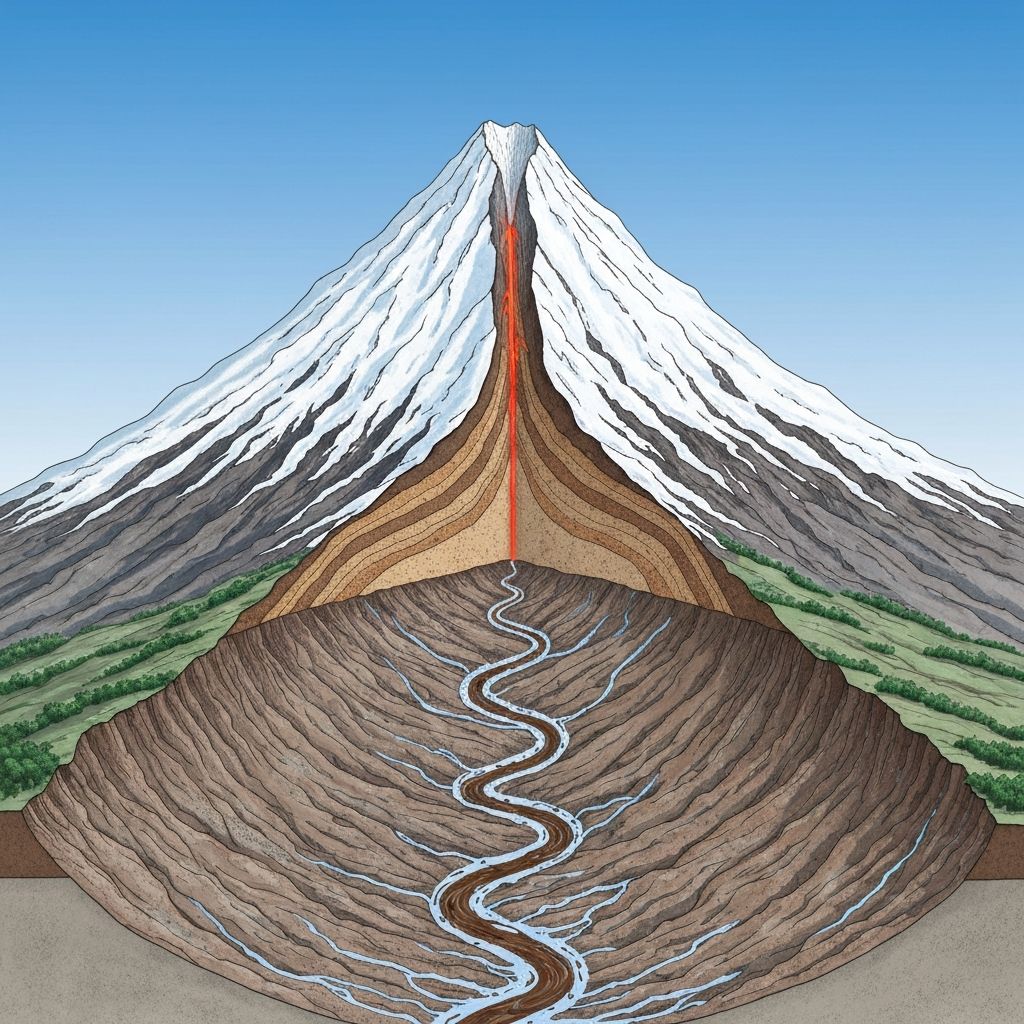
Mixture of volcanic ash and water (from melted snow/ice or rainfall) flowing at 40-90 km/h down valleys. Can travel 50+ km from volcano and continue for years after eruption.
Example: Mount Pinatubo 1991 lahars killed more people than the eruption itself.
5. Volcanic Gases
CO₂, SO₂, H₂S released during eruptions. Toxic/poisonous, collect in low-lying areas. SO₂ creates sulfuric acid → acid rain, temporary climate cooling.
Interactive: Hazard Zone Mapper
Volcanic Hazard Zone Mapper
Click a hazard type to see its danger zone
Interactive: Lahar Formation
Lahar Formation Simulator
Adjust conditions to see how lahars form and travel
76 km/h
Flow Speed
50 km
Travel Distance
Moderate
Danger Level
Lahars form when volcanic heat melts summit snow/ice, mixing with ash to create fast-moving mudflows that follow valley floors.
Interactive: Evacuation Decisions
Evacuation Decision Tool
Score: 0/5Pyroclastic Flow approaching!
15 km
8 minutes
Test Your Knowledge
Volcanic Hazards Quiz
Question 1/4Which type of magma produces explosive eruptions?
Exam Practice
Mount Pinatubo erupted in 1991 in the Philippines. The eruption produced pyroclastic flows (swept areas 25 km away at 100+ km/h) and lahars (mudflows that continued for years). Explain why lahars were in some ways MORE destructive than the initial pyroclastic flows even though pyroclastic flows were more immediately lethal. (4 marks)