Nigeria Case Study (Part 1)
Location, Importance & Economic Growth Context
Africa's largest economy and most populous nation - understanding Nigeria's NEE status
$440bn
GDP (2020)
Africa's largest
220M
Population
20% of Africa
90%
Export Earnings
From oil
18
Median Age
Young population
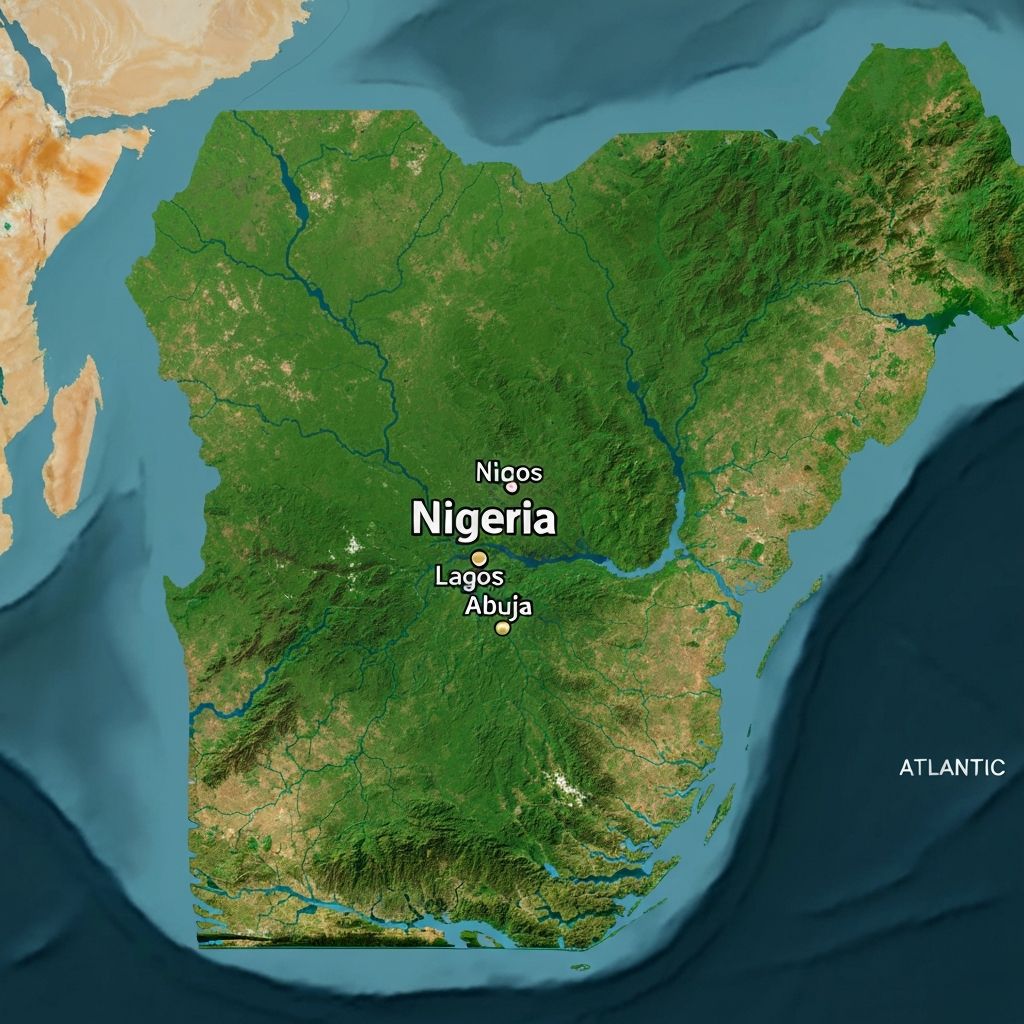
9°N 7°E
West Africa, Gulf of Guinea coast
Key Facts
Capital: Abuja (planned, inland, central)
Largest city: Lagos (21M metro, coastal economic hub)
Size: 923,000 km² (largest African population)
Physical Geography
South: Coastal lowlands, Niger Delta (oil)
Central: Jos Plateau, higher elevation
North: Savanna, Sahel (semi-arid)
Neighbors: Niger (north), Chad (northeast), Cameroon (east), Benin (west). Climate: Tropical south, semi-arid north, rainy season May-October.
Click each level to explore Nigeria's significance
Regional (Africa) Importance
Overtook South Africa in 2014
20% of Africa's total population
Peacekeeping force contributions
Stock exchange, banking HQs
Independence from UK
Agricultural economy (cocoa, palm oil, groundnuts)
Oil boom
Niger Delta oil discovered, rapid GDP growth, BUT agricultural neglect
Crisis period
Oil price collapse, military dictatorships, corruption
Recovery
Democracy restored, debt relief (2005), mobile phone revolution
Milestone
Overtook South Africa as Africa's largest economy
Challenges
Boko Haram insurgency, oil price volatility, COVID impact
Drag the slider to see how employment sectors changed 1990-2020
35%
Primary
Agriculture, mining
20%
Secondary
Manufacturing
45%
Tertiary
Services, retail
Key trend: Nigeria transitioning to service economy - tertiary now largest sector
Adjust oil prices to see impact on Nigeria's economy
$440bn
Estimated GDP
0% from base
100%
Gov Revenue Index
vs normal ($80)
100%
Export Earnings
90% from oil
Vulnerability: Nigeria's heavy dependence on oil (90% exports) makes economy volatile to global price changes
Toggle between regions to compare development indicators
Southern Nigeria
Wealthier, urbanized. Lagos economic hub. Niger Delta oil reserves. Better infrastructure and services. Coastal location aids trade.
Grade 8/9: The North-South divide shows Nigeria's UNEVEN development - wealth concentrated in oil-rich south while north faces poverty, conflict, and environmental challenges. This internal inequality is why Nigeria's NEE status masks significant regional disparities.
Rapidly industrializing - Manufacturing sector growing
Increasing influence - Political, cultural, economic power
Growing HDI - 0.39 (1990) → 0.54 (2020)
Foreign investment - Oil, telecoms, manufacturing
BUT challenges remain: Poverty 40%+, inequality, corruption, conflict (Boko Haram)
Grade 8/9 Critical Point
Nigeria's NEE status is based on POTENTIAL (huge population, oil wealth, economic growth) but masks UNEVEN development (wealth concentrated in elites, widespread poverty, North-South divide). The country's classification shows the limitations of using national-level indicators - internal inequalities are hidden by aggregate data.
What percentage of Nigeria's export earnings come from oil?
Explain Nigeria's regional and international importance. Use specific evidence. (6 marks)